



· Sarah Gladstone, MD · GeneSprout Stories
The Luckiest Unlucky People We Know — Our Family's Journey With Wolfram Syndrome
The day our son was diagnosed with Wolfram syndrome, our world changed in an instant. Here's what we learned about early diagnosis, rare disease, and why knowing — even when it's hard — is always better than not knowing.
Looking back at the day we entered the rare disease world, it stuns me to think about how instantaneously a life can change.
With one phone call, we learned that our 11-year-old son had Wolfram syndrome — a disease I had never seen or diagnosed in my two decades as a pediatrician. I googled it quickly, only to learn that in its classic form it causes diabetes by age 6, blindness by age 18, relentless neurodegeneration, and death by age 35.
“There is no cure, only supportive treatment,” the kind diabetes expert told me over the phone. She had ultimately agreed to do our genetic testing.
“I’m not comfortable with that,” I replied.
I am glad that I wasn’t.
A pediatrician thrown into different shoes
As a pediatrician, I had walked the diagnostic journey alongside many patients and their families — before and after receiving diagnoses of both common and rare conditions. But there is nothing like being thrown into those shoes yourself to help you realize the impossible nature of the task.
We had known our son had some form of mild diabetes, thought to be evolving Type 1. There were red flags in his lab work and in his symptoms that made us search further for his true diagnosis. By persisting, we were able to discover he had Wolfram syndrome before significant irreversible symptoms were present.
People with Wolfram syndrome typically present after years of difficult-to-control diabetes, blindness, hearing loss, bladder and bowel dysfunction, and autonomic nervous system dysfunction. It was remarkable that our son had a Wolfram syndrome diagnosis with very minimal symptoms.
Late that night, in the midst of our grief, my husband said to me: “He’s fine today. He’ll be fine next week. And we will figure out the rest.”
He was right.
The gift of time
Our son took the diagnosis in stride. “Everyone has something,” he said. “I just know what my something is.”
My husband and I knew the clock was ticking. We needed to understand the disease, and we needed to find a path toward treatment. For six months I dove into the world of endoplasmic reticulum stress diseases, reaching out to colleagues and friends to connect me with people who knew more than I did.
We needed everyone at our Wolfram syndrome conference table — researchers and specialists, geneticists, gene therapy experts, individualized medicine experts, other Wolfram parents, foundations, and people well educated in the treatment development world. I learned, first and foremost, that we had to have everyone together at the center of the wheel. Nobody was going to steer the boat alone.
Moving the needle — together
Working with foundations and researchers who had already built an incredible collaborative community, I was honored to help raise research funds, attend international Wolfram syndrome research conferences, review research proposals, and support the development of data to bring more treatments to trial.
While brainstorming with another Wolfram parent, we identified some compounds that might slow disease progression and reached out to a small biotech company developing a pharmaceutical from two of those compounds. With support from the world’s foremost Wolfram syndrome expert, we tested their compound in cells and in mice. It worked. That small company ultimately took it to a clinical trial for Wolfram syndrome.
Through hard work, collaboration, and some serendipity, our community moved the treatment needle.
Where we are today
Our son is now a junior in college, majoring in neuroscience. His symptoms remain stable. Mild color vision loss and diabetes that now requires little to no insulin feels like a miracle to us.
He tells me, not infrequently, that although there are difficult aspects to having a rare disease, he has gained a great deal from the experience — perspective, problem-solving skills, and a sense of purpose. He now hopes to help others understand Wolfram syndrome and its neurological manifestations.
What I carry with me into this work
Throughout our journey, we repeatedly asked ourselves: what would we have done without the medical background, the contacts, the advice — and most importantly, the early warning from genetic testing?
I don’t know. We were lucky. The luckiest unlucky people we know.
That experience is why I joined GeneSprout. Because the difference between an early diagnosis and a late one is not just medical — it is everything. It is years. It is options. It is a family that knows what they’re facing before the window for action narrows.
With an early diagnosis and a clear roadmap toward treatment, we can make a previously unimaginable difference in the lives of countless children. I’ve seen it. I’ve lived it.
And I am honored to help other families find their way when they receive a new diagnosis — carrying with me everything I wish someone had handed us on that first impossible night.
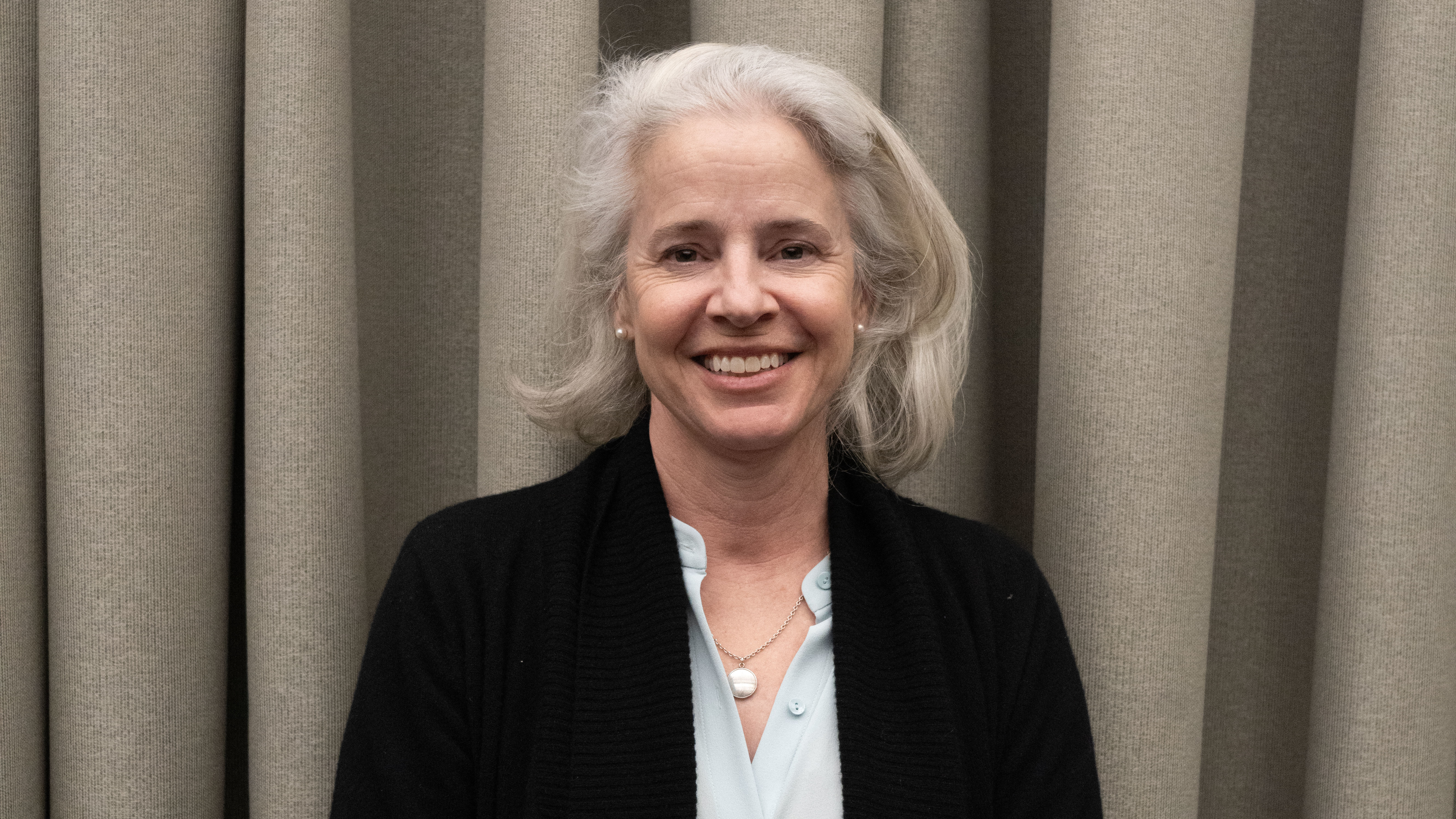
Sarah Gladstone, MD is Head of Rare Diseases at GeneSprout and founder of the Wolfram Syndrome Research Alliance. She leads GeneSprout’s condition navigation program, supporting families from diagnosis through the establishment of a clinical care team and beyond. Learn more about Sarah and our team →
This article reflects the personal experience of the author. It is not intended as medical advice. If you have concerns about your child’s health, please speak with your pediatrician.