
· Meg Landry · GeneSprout Stories
Our Genetic Testing Journey with Lyla
After her daughter Lyla was diagnosed with retinoblastoma at 18 months, Meg turned to genetic testing for answers—and found a different kind of peace.
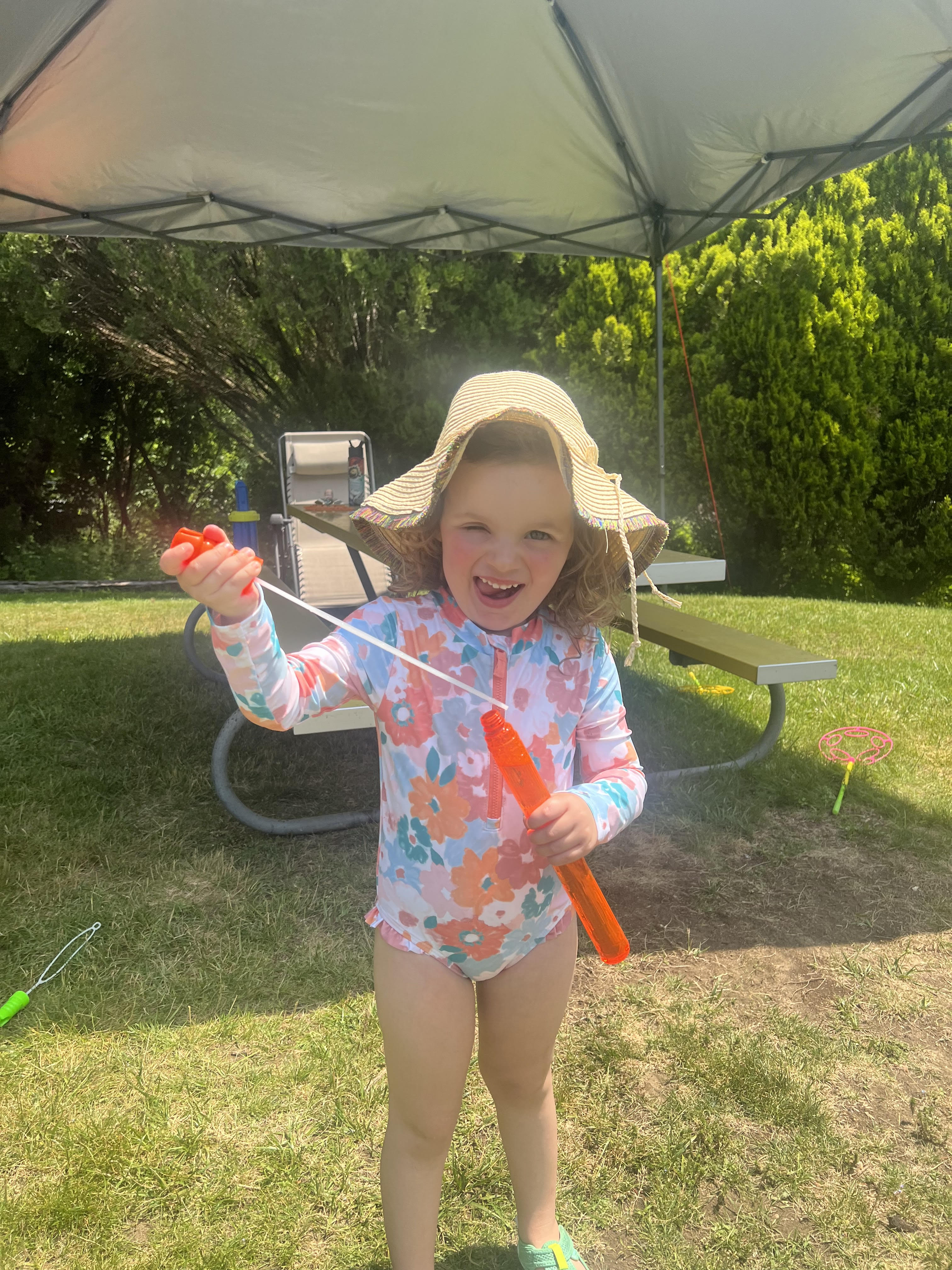
My family began our journey in genetic testing when a different kind of testing was at the height of everyone’s radar. In 2020 the Covid pandemic shutdown the world on March 13th. The same day, my one year old daughter Lyla, lost her father who died unexpectedly.
Just 6 months later, I took a photo with my cellphone (like many new parents do) and I noticed a yellow glow in her eye. The glow kept appearing in every picture I took of her with the flash on. I knew having red eyes in my childhood photos was a distinctive feature but my vision has been unbothered my entire life. The only vision impairment in our family was that my dad wears contacts. But I had this intuitive feeling to push me that something just wasn’t right.
I remembered seeing a poster shortly after I’d given birth in Florida (my first and only pediatric post delivery visit) of a child with two different colored eyes. My doctor at the time reassured me that ”… it’s super rare. It’ll never happen to you.”
In September 2020, after acting on my instincts and visiting her current pediatrician in Massachusetts, Lyla was diagnosed with Retinoblastoma at 18 months old. A week later, her right eye was consumed by over 30 cancerous tumors and was removed. She received her first prosthetic eye a few months later. In those short months, she was also diagnosed with Autism. As a single mother in the middle of a pandemic and consumed by grief in a million ways…we survived.
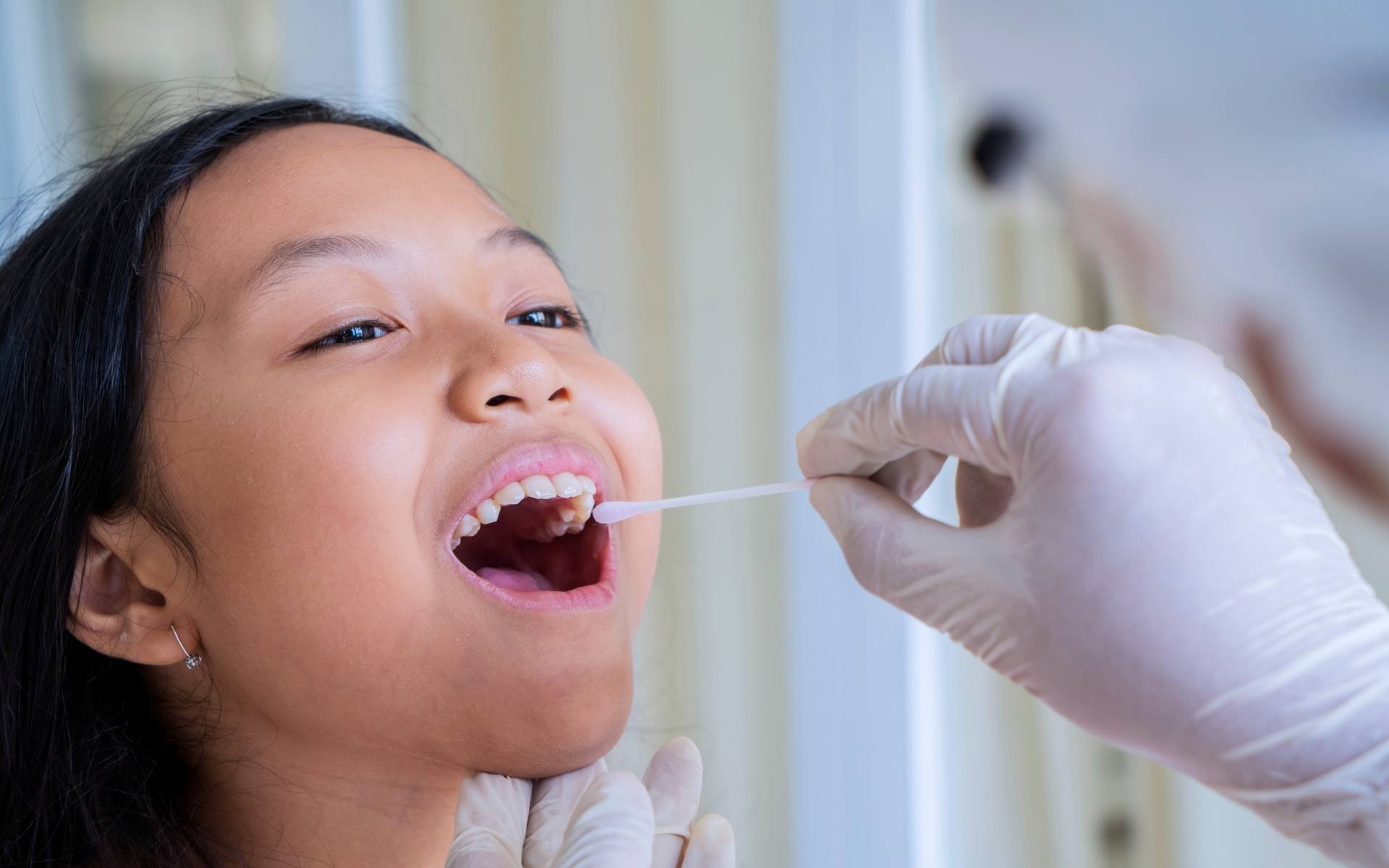
With no cure for retinoblastoma, and a simple photograph to determine cancer in Lyla’s right eye, this entire process was not led with emotion. I led with intuition. I would do anything to avoid the confusion, depression, loneliness, anger, and anxiety of it all again. As you can imagine the difficulties of navigating the medical world in a pandemic was extremely difficult. During this time, genetic testing was offered to us to see if I carried the RB1 gene.
What is retinoblastoma?
Retinoblastoma (RB1) is a rare childhood eye cancer. It is a genetic mutation that starts in the retina. This is a very rare disease with about 300-400 kids diagnosed each year in America. Most kids are under the age of 6 and the average age is 2. The survival rate outside the US is only 20%. There is an incredible lack of education and accessibility to medical equipment for this deadly disease. Many diagnosed kids end up losing one or both eyes to this cancer creating a lifelong need for medical equipment and care.
Why we chose genetic testing
Genetic testing was the only way to connect my world and Ryan’s in order to really see what we made. This test wasn’t necessarily looking for “who to blame” in the gene pool, but instead it was an answer in a long list of questions that come with any diagnosis. Part of the process every parent asks themselves on their child’s cancer journey is “Why us?” Having a scientific piece of information in order to determine the rest of her life, I wanted to know because I wanted to have some sort of game plan.
If I carried the gene, and passed it down to her, it was more likely she would have cancer in the other eye. Instead of losing the left eye, I would now have the resources to stop the cancer from spreading in order to have a chance to avoid a life of blindness, or worse death. I knew what it felt like to be unprepared, and I wanted to give her life the best life possible. For me, that is only done through love and continuous search for knowledge.
Would you base your life on science or chance? Psychological consequences of knowing vs unknown is picking the better of two evils. A positive result in carrying the gene would cause more anxiousness but better understanding of what’s to come. Cancer already arrived. The worst felt here and I wanted all the information that would ultimately lead Lyla down the least traumatic life possible. Blindness or sightedness is what genetic testing gave me.
What the results gave us
I couldn’t change the diagnosis or the results of testing. However, I could change how I’d prepare the rest of Lyla’s life. But in reality, I wasn’t prepared for any of it. Whether a disabled or non disabled child no parent knows how life unfolds. My anxiety just seemed to soften after receiving the results. Completing many questions and blood tests later…we found out I did not carry the RB1 gene nor Lyla.
Simply knowing that I didn’t carry (nor Ryan based on the information I’d receive on his medical history) a gene that could result in blindness and/or death changed my emotional state. Lyla is perfect in her imperfections. Not having to wait for the other cancer shoe to drop gave me more focus on the things I could control from her diagnosis.
I hope the day I get pregnant again I will have an embryonic screening to determine if my baby will be affected by RB1. Nothing will change the love for the child. Disabled people’s lives are not less valuable than nondisabled lives. The high risks of RB1 are vision impairments, blindness, and death. Death is ultimately what we want to avoid. Not necessarily the disability as a result of it. Genetic testing gives me that peace in pursuit of the lives of my children I have and haven’t yet met.
Art For Eyes
Our lives are forever changed and we hope sharing pieces of our story will help others. I now run full time a 501c3 nonprofit, Art For Eyes, that raises awareness about retinoblastoma and provides financial aid for kids’ prosthetic eyes through inclusive art programs and creative events. Prosthetic eyes are not always covered by insurance. So we’ve combined the medical, the science, and the arts all together to fight this disease and provide financial aid for kids’ prosthetic eyes they need. Battling childhood cancer and then a lifelong vision impairment is a traumatic disability that resilient survivors and their families face the repercussions regularly. These kids not only deserve the medical equipment they need in order to not become disfigured or in pain, but to truly be accepted and see themselves in our world while maintaining dignity. You can donate to Art For Eyes by going to our website artforeyes.org and purchase art or you can donate through Venmo @artforeyes.
When we grieve it is not just in death. We grieve in the things we have lost. We have lost many things but we have gained so much from this experience, including this genetic testing, that will change the course of our lives together. We hope our story helps another family make their decision on genetic testing and get more eyes on the answers they are in search for.
This article is for informational purposes only and is not a substitute for professional medical advice. If you have concerns about your child’s health, speak with your pediatrician.