



· Ann Wu, MD MPH · Genetics 101
What Is DNA? Genetic Sequencing 101
DNA is the body's instruction manual. Here's a plain-language guide to what it is, how genetic sequencing works, and why it matters for modern medicine.
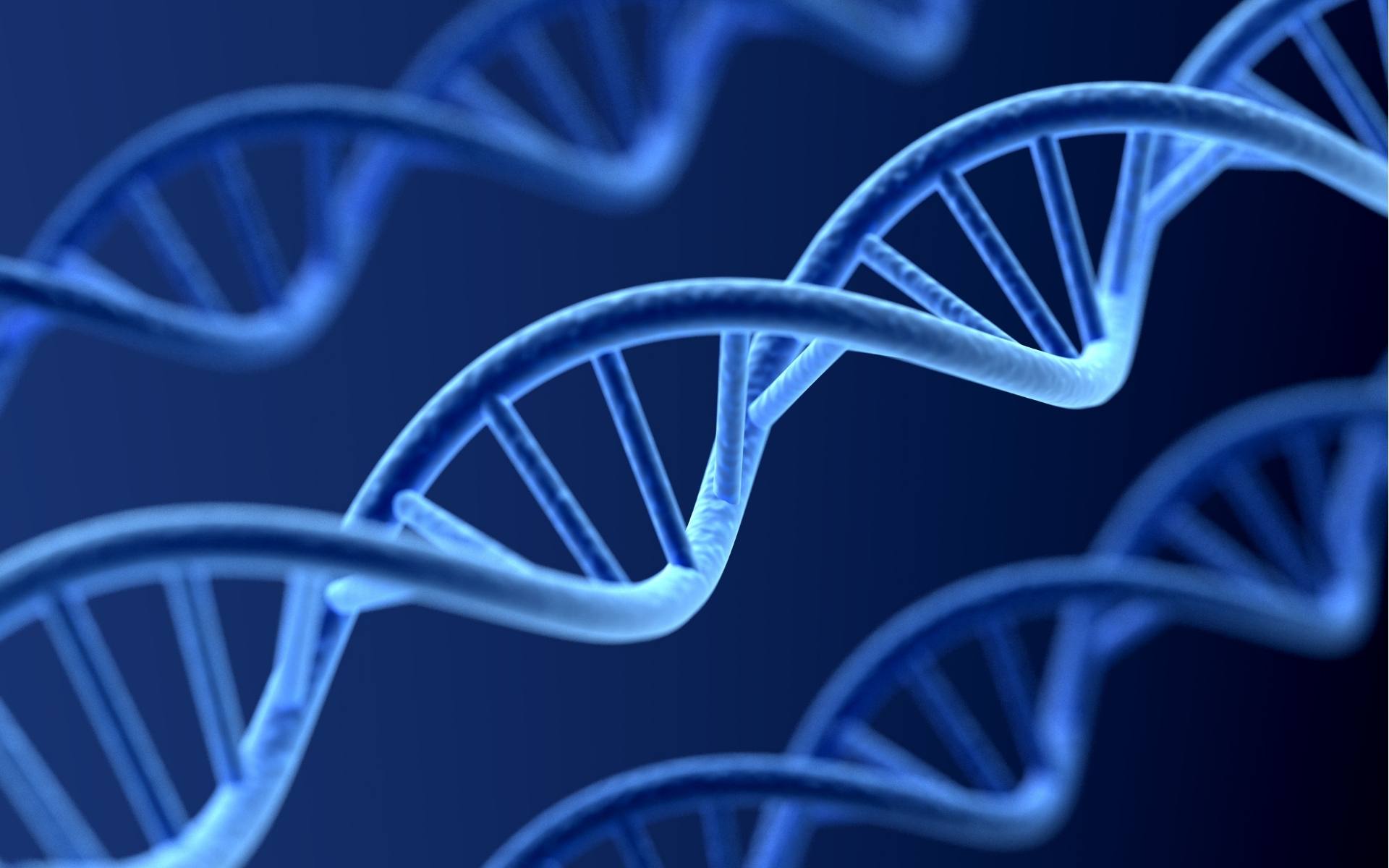
DNA is often called the instruction manual for the human body. Inside almost every cell in your body is a long molecule that stores the information needed for your body to grow, function, and stay healthy.
In recent years, scientists have learned how to read this genetic information using a process called DNA sequencing or genetic sequencing. This technology is helping doctors understand increased risk for certain conditions, diagnose diseases, understand health risks, and choose better treatments for patients.
Let’s take a closer look at what DNA is and why studying it is so important for modern medicine.
DNA is the body’s instruction manual
DNA contains the instructions your body needs to build and maintain itself. These instructions are written using four chemical building blocks, often called bases or nucleotides:
- A — Adenine
- T — Thymine
- G — Guanine
- C — Cytosine
The order of these four letters creates a code that tells cells how to function.
Some sections of DNA are called genes. Genes carry instructions for making proteins, which perform many important tasks in the body. Proteins help build tissues, transport molecules, and support the immune system.
Other parts of DNA help control when genes turn on or off, ensuring that the right proteins are made at the right time.
How does DNA make everyone unique?
Even though every person has unique traits, humans share about 99.9% of the same DNA. The human genome contains about 3 billion bases, so the vast majority of bases are the same between two people.
The remaining 0.1% of variation helps explain differences between people, such as:
- Physical traits like eye or hair color
- How the body processes medications
- Risk for certain diseases
These small differences in DNA are called genetic variants.
How does genetic sequencing inform health?
By studying DNA, scientists can identify genetic variants that may affect health.
Common types of genetic changes include:
- Single nucleotide variants (SNVs) or single nucleotide polymorphisms (SNPs) — A change in a single DNA letter.
- Insertions — Extra pieces of DNA added to the sequence.
- Deletions — Sections of DNA that are missing.
- Structural changes — Larger rearrangements in the DNA sequence.
Identifying these changes can help doctors better understand inherited diseases, cancer risk, and how someone may respond to certain medications. All humans carry genetic mutations. What differs is whether those mutations cause disease and how severe the effects may be.
How does genetic sequencing work?
To analyze DNA, scientists use genetic sequencing, a process that determines the exact order of DNA bases.
Modern sequencing technologies work by:
- Breaking DNA into many small fragments
- Reading millions of fragments at the same time
- Using computer software to reassemble the full sequence
This method, often called next-generation sequencing, allows researchers to analyze DNA faster and at a much lower cost than older techniques.
What types of genetic sequencing are used in medicine?
Genetics experts use different sequencing approaches depending on the medical question they are trying to answer.
Gene Panels
These tests examine a specific group of genes associated with certain diseases, such as hereditary cancers or heart conditions.
Exome Sequencing
This method analyzes the exome, which includes all the DNA regions that code for proteins. The exome represents only 1–2% of the genome, but it contains many variants linked to disease and it represents the part of the genome that has been most studied to date.
Whole Genome Sequencing
Whole genome sequencing reads all of a person’s DNA, including both protein coding and non-coding regions. This provides the most complete view of a person’s genetic information.
What is the role of genetic sequencing in healthcare?
DNA sequencing is transforming healthcare by helping doctors and genetic experts understand disease at the genetic level.
Genetic sequencing can help:
- Identify increased genetic risk for rare or inherited diseases
- Suggest increased risk for certain cancers or conditions
- Predict increased risk of adverse effects to certain medications
- Detect increased risk for health risks before symptoms appear
As sequencing technology continues to improve, it is becoming a key part of personalized medicine, where treatments are tailored to each person’s unique genetic profile.
What is the future of genetic medicine?
DNA sequencing is opening new possibilities for understanding human health. As scientists learn more about the genetic causes of disease, doctors will be able to make earlier diagnoses, choose more targeted treatments, and improve patient outcomes.
In many ways, learning to read DNA is like unlocking a deeper understanding of the body’s instruction manual—and we are only beginning to discover what it can teach us.
This article is for informational purposes only and is not a substitute for professional medical advice. If you have concerns about your child’s health, speak with your pediatrician.